
Zika virus spreads through India
Reports have confirmed that there have been over one hundred more cases of people who have been infected with Zika, and it’s

Reports have confirmed that there have been over one hundred more cases of people who have been infected with Zika, and it’s

Fertility First’s donors have undergone a comprehensive screening process and more than 90% of the oocyte donors have proven fertility.

Fertility First has a collaborative agreement with ManorIVF to provide eggs from overseas donors to patients, making it possible to get donor
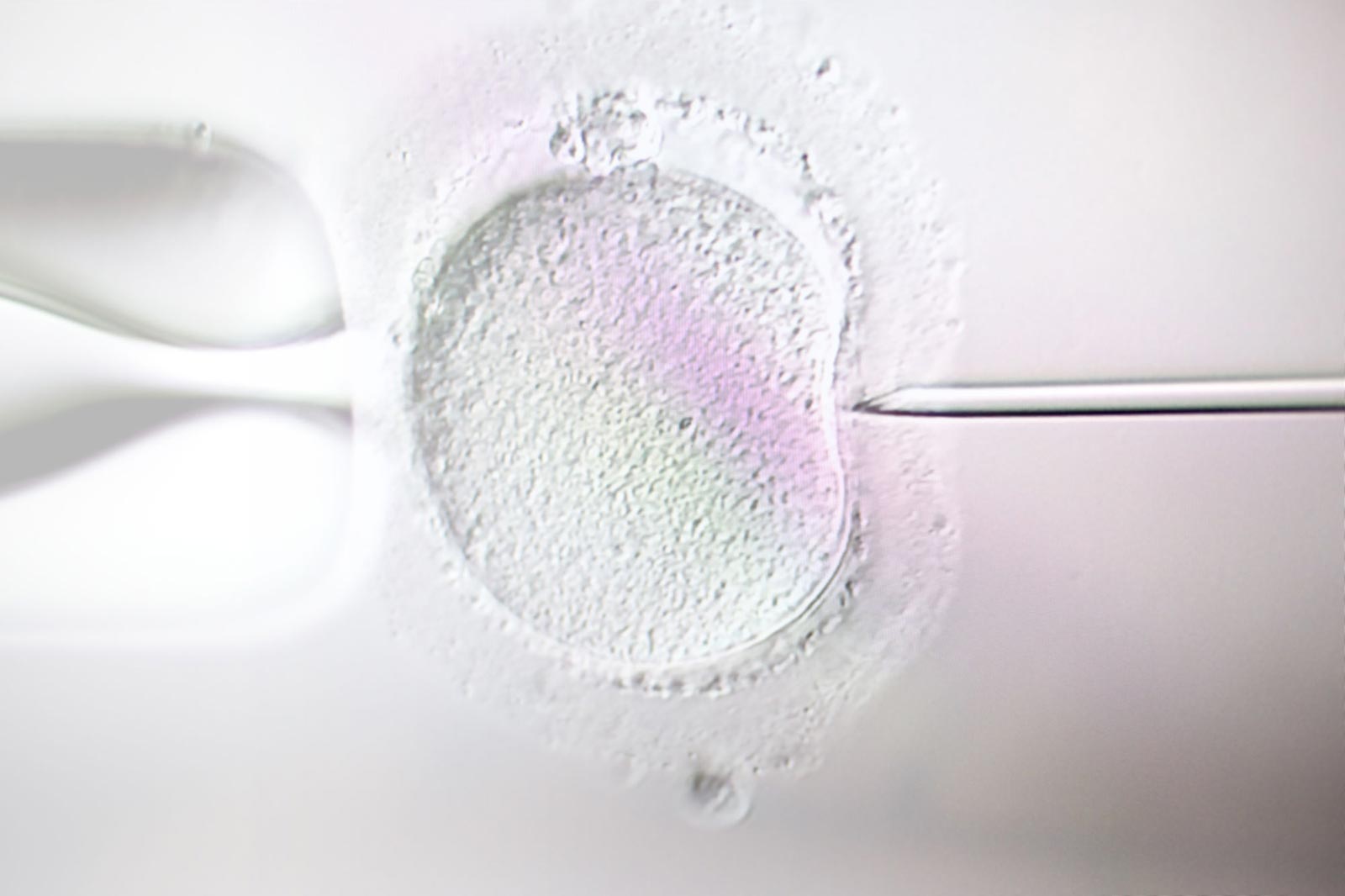
There is no waiting list for donor eggs at Fertility First. Australian patients have access to premium donor egg treatment at an

It’s well known that the health of the female during preconception is essential to having a healthy baby, but what do we
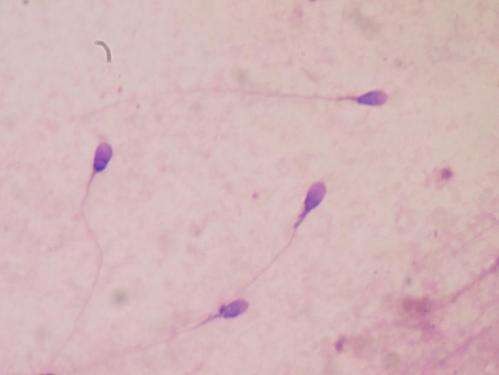

Believe it or not, the type of underwear worn by men can affect their respective sperm count, and has been confirmed by
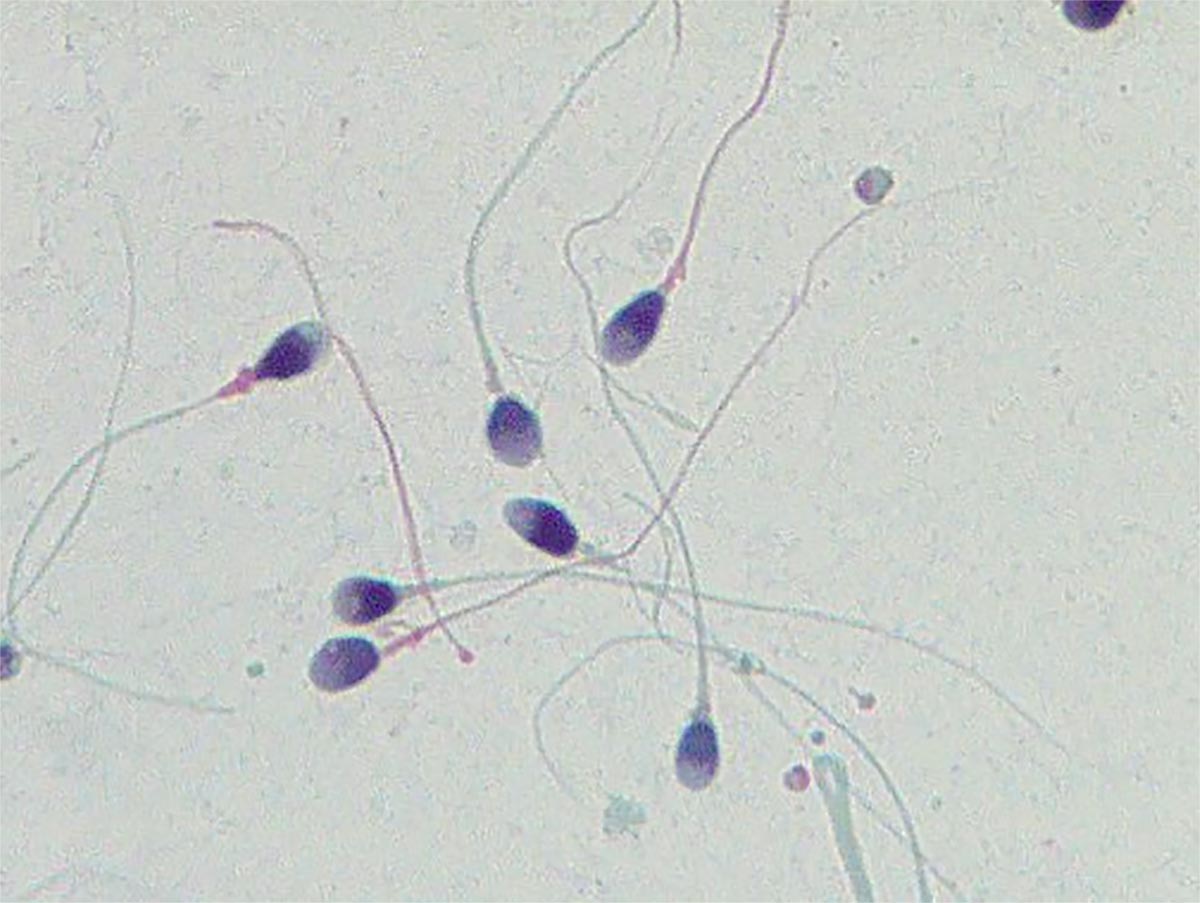
A low sperm count can often be linked with dietary and lifestyle factors such as a zinc deficiency, lack of vitamins, smoking
While it’s true that embryos can grow at different rates, 72 hours following your egg retrieval, your embryo should have approximately 6
Every story written here comes from Fertility First's Research Team, a group of scientists that doesn't just talk about the science behind fertility and reproduction, it lives and breathes it. Staffed by the doctors and scientists working behind the scenes at Fertility First, this team of dedicated embryologists, andrologists, and fertility experts collectively has over 40 years experience in the field.
Yes, chronic stress can impact fertility by disrupting hormonal balance and ovulation patterns. Managing stress through relaxation techniques, regular exercise, adequate sleep, and mindfulness practices may help optimise your chances of conception. Consider speaking with a counsellor if stress feels overwhelming.
Sperm health accounts for about 40% of conception challenges. Your partner can improve sperm health by maintaining a healthy weight, avoiding excessive heat exposure (hot tubs, saunas, tight clothing), limiting alcohol, quitting smoking, managing stress, and taking a multivitamin with antioxidants. Sperm takes about 3 months to develop, so lifestyle changes need time to show results.
Your fertile window typically spans 5-6 days, ending on ovulation day. For a regular 28-day cycle, this usually falls between days 10-15, with peak fertility 1-2 days before ovulation. Track your cycle using ovulation predictor kits, basal body temperature, or cervical mucus changes to identify your unique pattern. Having intercourse every 1-2 days during this window optimises your chances.